
Soju vs Makgeolli: Which Is Better for Summer?
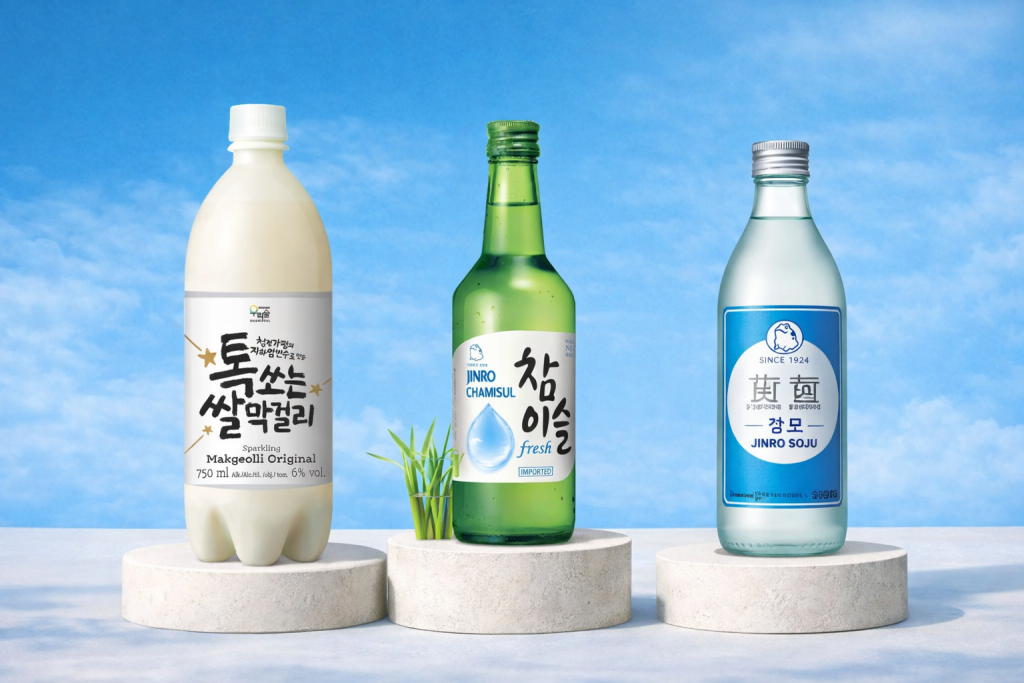
When the temperature rises in Abu Dhabi and evenings feel long and warm, the kind of drink you choose can shape your entire dining experience. In Korean cuisine, two traditional favourites often take centre stage: soju and makgeolli. If you have ever found yourself wondering about Soju vs Makgeolli, you are not alone. Both are popular, both are refreshing in their own way, and both have strong roots in Korean food culture. If you are exploring new flavours or browsing through different Korean drinks for summer, understanding the difference between these two can help you decide which one suits your mood best.
At Madang Korean Restaurant, these drinks take center stage on the menu, giving guests a true taste of Korea beyond just the food. But with summer here, which one really shines? Let’s compare Soju and Makgeolli to find out.
Understanding Soju: Light, Crisp and Easy to Sip
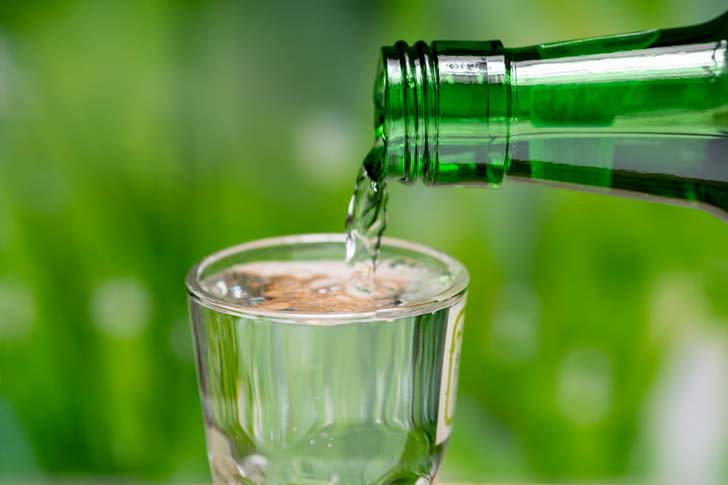
Soju is often described as Korea’s most loved alcoholic drink. It is clear, smooth, and usually served chilled in small glasses. The taste is clean and slightly sweet, which makes it easy to drink even for those who are not used to stronger beverages.
During summer, soju feels refreshing because it is light on the palate. When served cold, it pairs beautifully with grilled meats, spicy dishes, and fried food. It does not feel heavy, and it does not overpower your meal. Instead, it balances bold flavours, especially Korean BBQ and spicy chicken.
One reason many people choose soju in hot weather is its simplicity. You can sip it slowly, mix it with fruit flavours, or even blend it into light cocktails. It adapts well to different settings. Whether you are sitting outdoors with friends or enjoying dinner in air conditioning, soju feels relaxed and social.
Understanding Makgeolli: Creamy, Slightly Sweet and Comforting
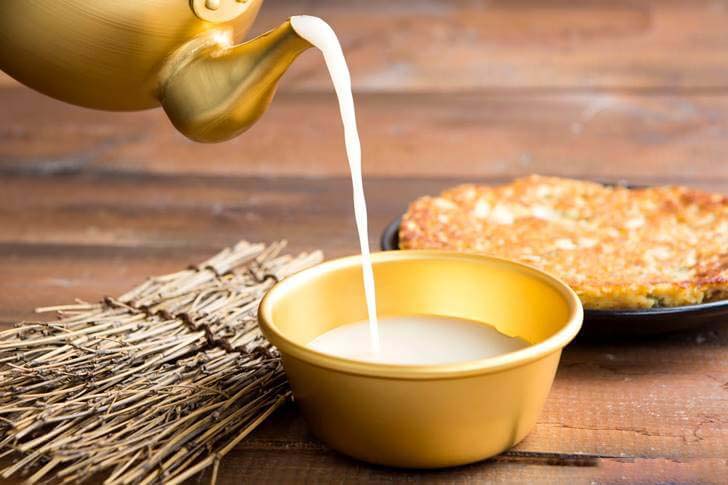
Makgeolli is very different from soju. It has a milky white colour and a slightly creamy texture. Unlike soju, which is clear and sharp, makgeolli feels soft and smooth. It carries a gentle sweetness with a mild tang that makes it unique.
In summer, makgeolli can be surprisingly refreshing. When served cold, it has a cooling effect that feels soothing after a hot day. Its texture makes it comforting, almost like a light dessert drink. It pairs especially well with savoury pancakes, seafood dishes, and slightly salty snacks.
People often describe makgeolli as more traditional and homely. It gives a sense of warmth and heritage. If you enjoy drinks that feel slightly richer and more flavourful, makgeolli might be your summer choice.
Soju vs Makgeolli: Taste Comparison
When discussing Soju vs Makgeolli, taste is usually the first thing people compare.
Soju is clean and neutral. It does not leave a heavy aftertaste. That is why it works so well with spicy Korean dishes. It refreshes your palate between bites and keeps the meal feeling light. If you prefer something crisp and direct, soju wins in this category.
Makgeolli, on the other hand, has more character. It feels fuller in the mouth. The slight sweetness and gentle tang give it depth. If you enjoy layered flavours rather than something straightforward, makgeolli may feel more interesting.
In a soju and makgeolli comparison, it often comes down to whether you want sharp and clean or soft and creamy. There is no right or wrong answer, only personal preference.
Which Feels More Refreshing in Summer?
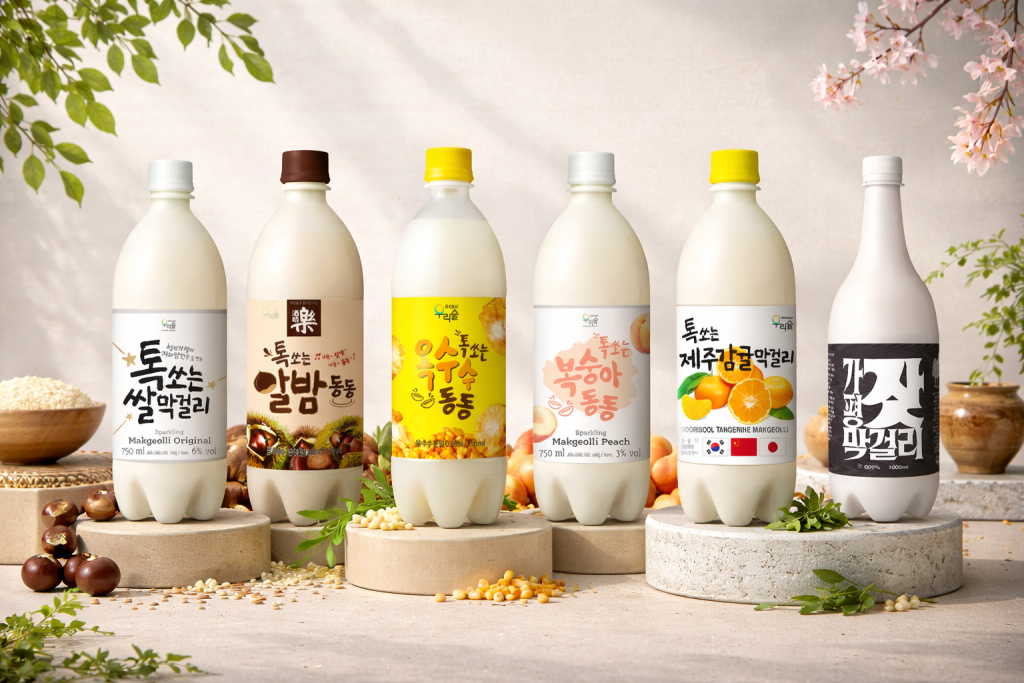
Summer drinks should cool you down and not make you feel heavy. So, in the conversation of Soju vs Makgeolli, which one truly feels lighter?
Soju tends to feel lighter because of its clear texture. It is usually served very cold, and that chill makes a big difference. When you take a sip, it feels crisp and refreshing. It does not coat your mouth or linger too long.
Makgeolli is also served chilled, but because of its thicker texture, it can feel slightly more filling. Some people love this because it feels satisfying, especially when paired with food. Others may prefer something less creamy in hot weather.
If you are planning a casual summer evening with grilled meats and lively conversation, soju often feels like the easier option. But if you want something mellow and comforting, makgeolli still works beautifully.
Food Pairing Matters
Another important part of choosing between these two is what you are eating.
Soju pairs exceptionally well with Korean BBQ. The clean taste cuts through rich meats and spicy marinades. It refreshes your palate after each bite. That is why it is commonly served alongside grilled beef and chicken.
Makgeolli shines with savoury pancakes and seafood dishes. Its soft sweetness balances salty or slightly spicy flavours. It feels especially enjoyable with crispy bites that contrast its smooth texture.
When thinking about choosing between soju and makgeolli for summer dining, consider your meal first. The right pairing can elevate the entire experience.
Social Setting and Mood
The setting also plays a role in the Soju vs Makgeolli discussion.
Soju is often associated with group gatherings. Small glasses are shared, poured for one another, and enjoyed in rounds. It creates a lively and interactive atmosphere. It feels modern, social, and energetic.
Makgeolli, in contrast, feels more relaxed. It is often poured from a larger bowl or bottle into cups and enjoyed slowly. The mood becomes calmer and more intimate. It feels nostalgic and traditional.
If your summer evening is about celebration and fun, soju might match the vibe. If it is about slow conversation and comfort, makgeolli could be the better companion.
Calorie and Strength Considerations
Without getting technical, it is also worth noting that soju usually feels stronger in effect. Because it is clearer and sharper, people sometimes drink it more quickly. It has a clean finish, but it still carries strength.
Makgeolli often feels milder because of its creamy nature. It can feel less intense, though it still contains alcohol. Some people prefer it because it feels smoother and easier on the palate.
In a soju and makgeolli comparison for summer, those who want something that feels light and easy often lean toward soju. Those who want something soft and slightly sweet may prefer makgeolli.
Soju vs Makgeolli: Which Is Better for You?
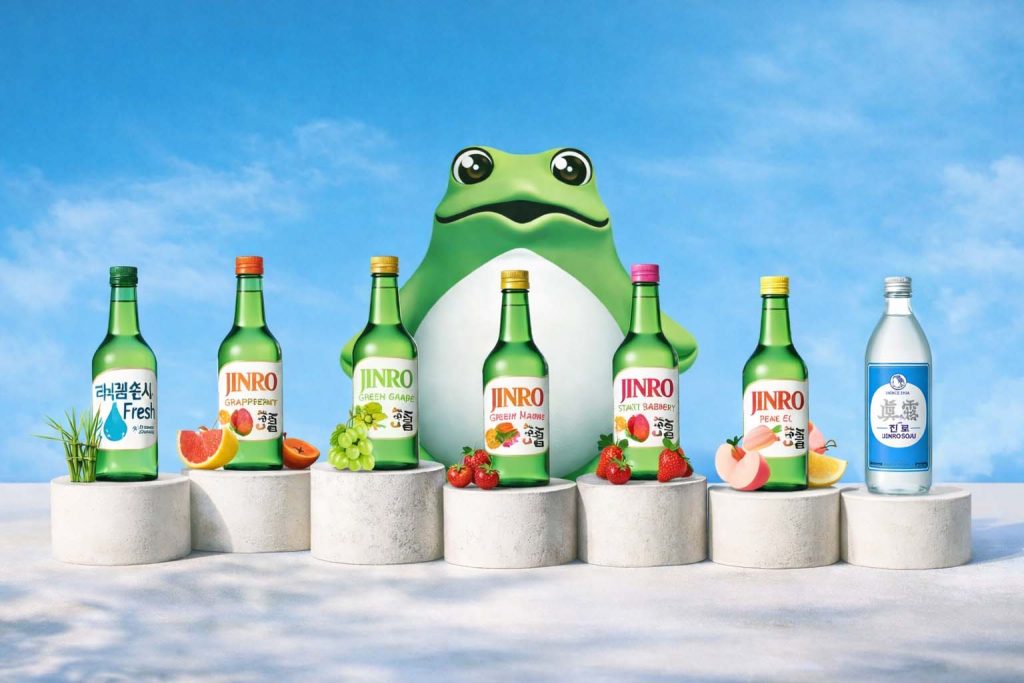
So, after exploring Soju vs Makgeolli, which one truly wins for summer?
If you love crisp flavours, chilled shots, and something that pairs perfectly with grilled meats, soju may be your ideal summer drink. It feels clean, simple, and refreshing.
If you enjoy creamy textures, subtle sweetness, and a drink that feels comforting even in warm weather, makgeolli might be your choice. It brings a different kind of refreshment, one that feels smooth and balanced.
Ultimately, the answer depends on your taste, your meal, and your mood. Some evenings call for the sharp chill of soju. Other nights feel better with the gentle creaminess of makgeolli.
Why Not Enjoy Both?
The beauty of Korean dining is that you do not have to choose just one forever. Many guests enjoy starting with soju and later trying makgeolli to experience both sides. It adds variety and makes the evening more memorable.
Exploring Soju vs Makgeolli is not about declaring a winner. It is about discovering what suits you. Summer is the perfect time to experiment, especially when good food and good company are involved.
So next time you sit down for Korean cuisine on a warm evening, ask yourself what you are in the mood for. Crisp and lively? Or creamy and comforting?
Whichever you choose, both drinks carry tradition, flavour, and the spirit of Korean hospitality. And that is what truly makes them perfect for summer.

Madang Korean Restaurant is one of the top-rated Korean restaurants in Abu Dhabi. Boasting of its traditional Korean interior design and style seating giving customers unique and realistic experience of Korea and its vast number of authentic Korean Cuisine.
Quick links
Find Us
-
Main Branch (Now Open)
Ground Floor, Holiday Inn, 31st Dhafeer Street, Al Sa`Adah, Zone 1, Abu Dhabi, United Arab Emirates - +971 2 585 5441, +971 56 327 5999